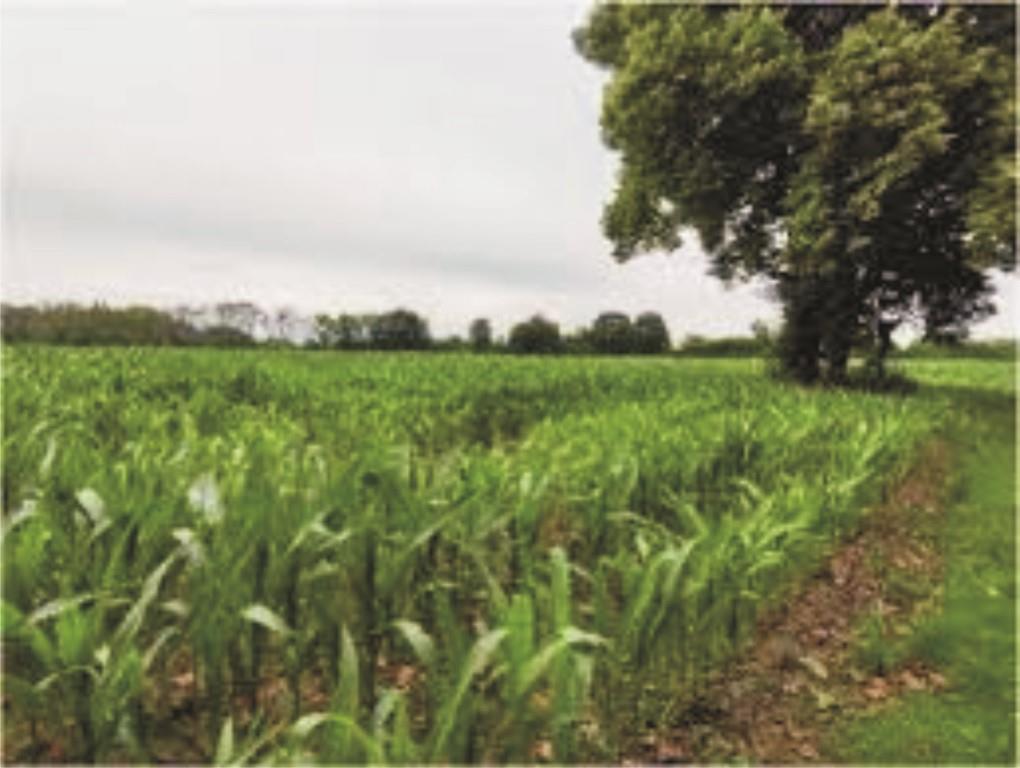
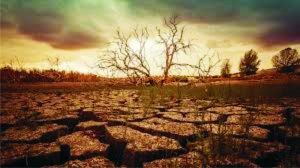
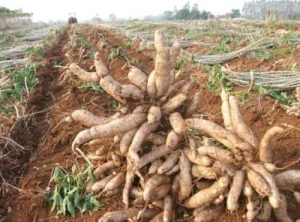
Healthy soil is the foundation of productive farming and long-term food security. Across the world, and particularly in many parts of Africa, soil degradation has become a major challenge affecting agricultural productivity, environmental stability, and farmers’ livelihoods. Overuse of chemical fertilizers, continuous monocropping, erosion, deforestation, and unsustainable land management practices have significantly reduced soil fertility in many regions.
PalmGate Global Ventures recognizes that restoring soil health is essential for sustainable agriculture and economic prosperity. Through the promotion of soil restoration and regenerative agricultural practices, PalmGate supports farmers in rebuilding soil fertility, improving crop yields, and adopting environmentally responsible farming methods that ensure productivity for generations to come.
Understanding Soil Degradation
Soil degradation occurs when the physical, chemical, and biological properties of soil deteriorate, reducing its ability to support plant growth and ecosystem health. According to global agricultural research institutions such as the Food and Agriculture Organization (FAO), nearly one-third of the world’s soils are moderately to highly degraded due to erosion, salinization, nutrient depletion, compaction, and pollution.
Common causes of soil degradation include:
Excessive use of synthetic fertilizers and pesticides
Continuous cropping without replenishing nutrients
Deforestation and removal of vegetation cover
Poor irrigation practices
Overgrazing by livestock
Soil erosion caused by wind and water
When soil loses its fertility and structure, crop yields decline, farmers incur higher input costs, and ecosystems become vulnerable to climate change impacts.
The Importance of Soil Restoration
Soil restoration refers to the process of rebuilding soil health by restoring its natural biological, chemical, and physical balance. Healthy soils provide numerous benefits:
Improved Crop Productivity
Healthy soil contains balanced nutrients and beneficial microorganisms that enhance plant growth and increase agricultural yields.
Water Retention and Drought Resistance
Restored soil has improved structure and organic matter content, allowing it to retain water more effectively. This helps crops survive during dry periods.
Carbon Sequestration
Healthy soils store significant amounts of carbon, helping to reduce greenhouse gases and mitigate climate change.
Enhanced Biodiversity
Soil restoration encourages the growth of beneficial organisms such as earthworms, bacteria, fungi, and insects that support plant health.
Reduced Farming Costs
When soil fertility improves naturally, farmers rely less on expensive chemical inputs, reducing production costs.
PalmGate Global Ventures actively promotes these benefits by introducing farmers to innovative soil restoration methods that support both productivity and environmental sustainability.
Innovative Soil Restoration Techniques
1. Organic Soil Amendments
One of the most effective soil restoration methods is the use of organic materials such as:
Compost
Animal manure
Crop residues
Biochar
Organic soil conditioners
These materials add essential nutrients and organic matter to the soil, improving fertility and soil structure while supporting microbial life.
PalmGate Global Ventures encourages farmers to adopt natural soil repair solutions that restore soil vitality without harmful environmental effects.
2. Crop Rotation
Crop rotation involves planting different crops on the same land in sequential seasons. This practice prevents nutrient depletion and disrupts pest cycles.
For example:
Legumes such as beans and groundnuts naturally fix nitrogen in the soil.
Rotating cereals with legumes improves soil fertility and reduces fertilizer requirements.
Crop rotation is widely recognized as a key principle of sustainable agriculture.
3. Cover Cropping
Cover crops are planted primarily to protect and improve the soil rather than for harvest. Examples include:
Clover
Mucuna (velvet bean)
Cowpea
Rye grass
Cover crops help by:
Preventing soil erosion
Improving soil structure
Suppressing weeds
Adding organic matter
They also enhance microbial activity, which is essential for soil health.
4. Conservation Tillage
Traditional farming methods often involve heavy tilling, which disrupts soil structure and accelerates erosion. Conservation tillage minimizes soil disturbance while maintaining crop residue on the soil surface.
Benefits include:
Reduced erosion
Improved soil moisture retention
Increased organic matter accumulation
Enhanced soil biodiversity
PalmGate promotes modern conservation agriculture techniques that protect soil integrity while maintaining productivity.
5. Agroforestry Systems
Agroforestry combines trees with crops or livestock on the same land. This practice provides multiple benefits:
Improved soil fertility through leaf litter and root systems
Reduced erosion through tree cover
Enhanced biodiversity
Additional income from fruits, timber, or other tree products
Agroforestry systems are particularly effective in restoring degraded farmland and improving resilience against climate change.
6. Soil Microbial Enhancement
Healthy soil contains billions of beneficial microorganisms that support nutrient cycling and plant health. Innovative agricultural solutions now include microbial inoculants and biofertilizers that reintroduce beneficial bacteria and fungi into degraded soils.
These microorganisms:
Improve nutrient availability
Increase plant resistance to diseases
Enhance root development
PalmGate Global Ventures supports farmers in adopting biologically driven solutions that restore natural soil ecosystems.
7. Integrated Livestock and Crop Systems
Integrating livestock into crop farming allows farmers to recycle nutrients efficiently. Animal manure enriches soil with organic matter and essential nutrients.
When managed properly, integrated systems:
Improve soil fertility
Reduce waste
Increase farm productivity
PalmGate’s agricultural approach emphasizes balanced farming systems that maximize natural resource efficiency.
The Role of Technology in Soil Restoration
Modern agricultural technology is playing an increasingly important role in soil restoration. Tools such as:
Soil testing kits
Precision agriculture technology
Satellite monitoring of soil conditions
Digital farm management platforms
help farmers better understand soil health and make informed decisions.
PalmGate Global Ventures encourages farmers to adopt data-driven agricultural practices that support sustainable land management.
Soil Restoration and Climate Change Mitigation
Climate change and soil health are closely connected. Degraded soils release stored carbon into the atmosphere, contributing to global warming. Conversely, restored soils act as carbon sinks, absorbing carbon dioxide and helping mitigate climate change.
Sustainable soil management practices promoted by PalmGate contribute to:
Climate resilience in agriculture
Improved ecosystem balance
Reduced greenhouse gas emissions
These practices align with global sustainability goals, including the United Nations Sustainable Development Goals (SDGs) related to zero hunger, climate action, and life on land.
PalmGate Global Ventures’ Commitment to Sustainable Agriculture
PalmGate Global Ventures is committed to advancing agricultural practices that protect the environment while improving farmers’ productivity and incomes. Through training, innovation, and partnerships, PalmGate promotes:
Soil restoration initiatives
Regenerative farming methods
Farmer education programs
Sustainable agricultural technologies
By empowering farmers with knowledge and practical solutions, PalmGate contributes to building resilient agricultural systems capable of feeding growing populations sustainably.
Conclusion
Healthy soil is the cornerstone of successful agriculture and food security. As soil degradation continues to threaten global food production, innovative soil restoration techniques are becoming increasingly essential.
Through the promotion of regenerative agriculture, organic soil repair methods, and sustainable farming systems, PalmGate Global Ventures is helping farmers restore soil health, increase crop yields, and protect the environment for future generations.
Investing in soil restoration today ensures sustainable agriculture, economic growth, and ecological balance tomorrow.