Livestock farming is one of the most important pillars of agriculture worldwide. It provides food, income, employment, and raw materials for millions of households. In many developing countries, particularly across Africa, livestock farming plays a critical role in rural livelihoods, food security, and economic stability. Meat, milk, eggs, hides, and other livestock products form a major component of daily nutrition while also serving as valuable market commodities.
However, traditional livestock farming methods often face challenges such as low productivity, poor animal health management, inadequate breeding systems, and environmental pressures. To overcome these challenges, the adoption of modern livestock farming practices has become essential.
PalmGate Global Ventures is committed to transforming livestock farming through improved breeding systems, responsible animal care, sustainable production practices, and modern management techniques. By focusing on cattle and goat production, PalmGate contributes to strengthening food systems, supporting farmers’ livelihoods, and meeting the growing demand for quality livestock products.
The Importance of Livestock Farming in Economic Development
Livestock farming contributes significantly to national and local economies. According to agricultural development studies and international organizations such as the Food and Agriculture Organization (FAO), the livestock sector accounts for a substantial share of agricultural GDP in many developing countries.
Key Economic Contributions of Livestock Farming
Source of Income for Farmers
Millions of farmers rely on livestock as their primary or secondary source of income. Sales of animals, meat, milk, and other products provide financial stability and support household needs such as education and healthcare.
Employment Opportunities
Livestock farming creates jobs across multiple sectors including:
Animal husbandry
Feed production
Veterinary services
Meat processing
Transportation and marketing
Contribution to Food Security
Livestock products provide essential nutrients such as protein, vitamins, and minerals that are vital for human health.
Agricultural Integration
Livestock farming supports crop production by supplying manure, which enriches soil fertility and enhances crop yields.
PalmGate Global Ventures recognizes these benefits and seeks to expand livestock production in ways that are efficient, ethical, and environmentally sustainable.
Modern Practices Transforming Livestock Farming
Modern livestock farming integrates science, technology, and responsible management to improve productivity and sustainability.
1. Quality Breeding Programs
One of the most important factors influencing livestock productivity is genetics. Quality breeding programs help produce animals that are:
Faster growing
More resistant to diseases
Better adapted to environmental conditions
Higher yielding in meat or milk production
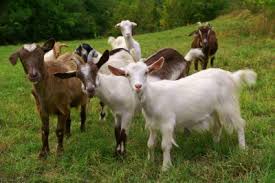
PalmGate Global Ventures focuses on selecting healthy and productive cattle and goat breeds that meet market demand while maintaining genetic strength and adaptability.
Proper breeding management also includes:
Controlled mating systems
Artificial insemination where applicable
Genetic selection for desirable traits
These practices help ensure consistent production quality and improved livestock performance.
2. Animal Welfare and Ethical Farming
Modern livestock farming places strong emphasis on animal welfare, recognizing that healthy animals are more productive and sustainable.
Animal welfare practices promoted by PalmGate include:
Adequate housing and shelter
Access to clean water and nutritious feed
Regular veterinary care
Humane handling and management
Providing animals with proper living conditions reduces stress, improves growth rates, and lowers mortality rates.
3. Improved Animal Nutrition
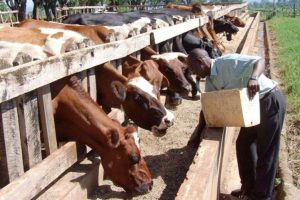
Proper nutrition is essential for livestock productivity. Balanced feeding programs ensure that animals receive the nutrients necessary for growth, reproduction, and disease resistance.
Modern feeding strategies include:
Formulated feed rations based on nutritional requirements
Use of high-quality forage and pasture management
Mineral and vitamin supplementation
Efficient feed storage systems
PalmGate Global Ventures emphasizes nutritional management that maximizes productivity while minimizing waste and environmental impact.
4. Veterinary Health Management
Disease outbreaks can devastate livestock farms if not properly managed. Modern livestock farming incorporates preventive healthcare measures such as:
Vaccination programs
Regular veterinary inspections
Parasite control
Biosecurity protocols
PalmGate Global Ventures supports proactive animal health systems that reduce disease risks and ensure the production of safe, high-quality livestock products.
5. Sustainable Grazing and Pasture Management
Overgrazing is a common challenge that leads to land degradation and reduced pasture productivity. Sustainable grazing management involves:
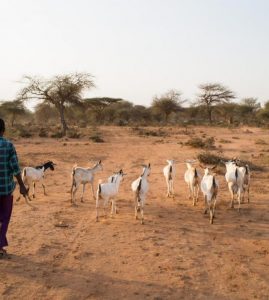
Rotational grazing systems
Maintaining adequate pasture cover
Resting grazing areas to allow regeneration
Integrating forage crops into livestock feeding systems
These practices help protect soil health while ensuring continuous feed availability for animals.
6. Integration with Crop Farming
Integrated crop-livestock systems are widely recognized as sustainable agricultural models. In these systems:
Crop residues are used as livestock feed
Animal manure is applied to farmland as organic fertilizer
This circular approach reduces waste, improves soil fertility, and increases overall farm productivity.
PalmGate Global Ventures encourages integrated farming systems that create efficient and environmentally responsible agricultural ecosystems.
7. Technology and Innovation in Livestock Farming
Technological advancements are increasingly transforming livestock farming. Tools such as:
Digital farm management systems
Livestock monitoring devices
Improved veterinary diagnostics
Feed efficiency technologies
enable farmers to manage their herds more effectively.
These innovations help improve productivity, reduce losses, and ensure better decision-making.
PalmGate Global Ventures promotes the adoption of modern technologies that enhance livestock production efficiency and sustainability.
Livestock Farming and Food Security
With the global population expected to continue growing, demand for animal protein is rising rapidly. Livestock farming will play a critical role in meeting this demand.
Cattle and goats are particularly important in many regions because they:
Adapt well to different climates
Provide meat, milk, and hides
Support smallholder farmers
Require relatively flexible feeding systems
By investing in improved livestock production systems, PalmGate Global Ventures contributes to strengthening food supply chains and improving nutrition for communities.
Environmental Sustainability in Livestock Farming
Sustainable livestock farming also considers environmental responsibility. Modern practices aim to reduce negative impacts such as:
PalmGate Global Ventures promotes livestock systems that balance productivity with environmental stewardship.
PalmGate Global Ventures’ Role in Advancing Livestock Farming
PalmGate Global Ventures is dedicated to improving livestock farming through a combination of:
Quality breeding programs
Sustainable farm management practices
Farmer education and capacity building
Responsible animal welfare standards
Market-oriented livestock production
By focusing on cattle and goat farming, PalmGate helps supply high-quality livestock products to meet growing market demand while supporting rural economic development.
Conclusion
Livestock farming remains one of the most powerful drivers of agricultural development, food security, and economic empowerment. However, achieving sustainable growth in the sector requires adopting modern farming practices that prioritize productivity, animal welfare, environmental responsibility, and technological innovation.
Through its commitment to quality breeding, responsible livestock management, and sustainable agricultural systems, PalmGate Global Ventures is playing an important role in advancing livestock farming and supporting the prosperity of farming communities.
By embracing modern livestock practices today, farmers can build resilient agricultural systems that feed populations, protect the environment, and create lasting economic opportunities for future generations.