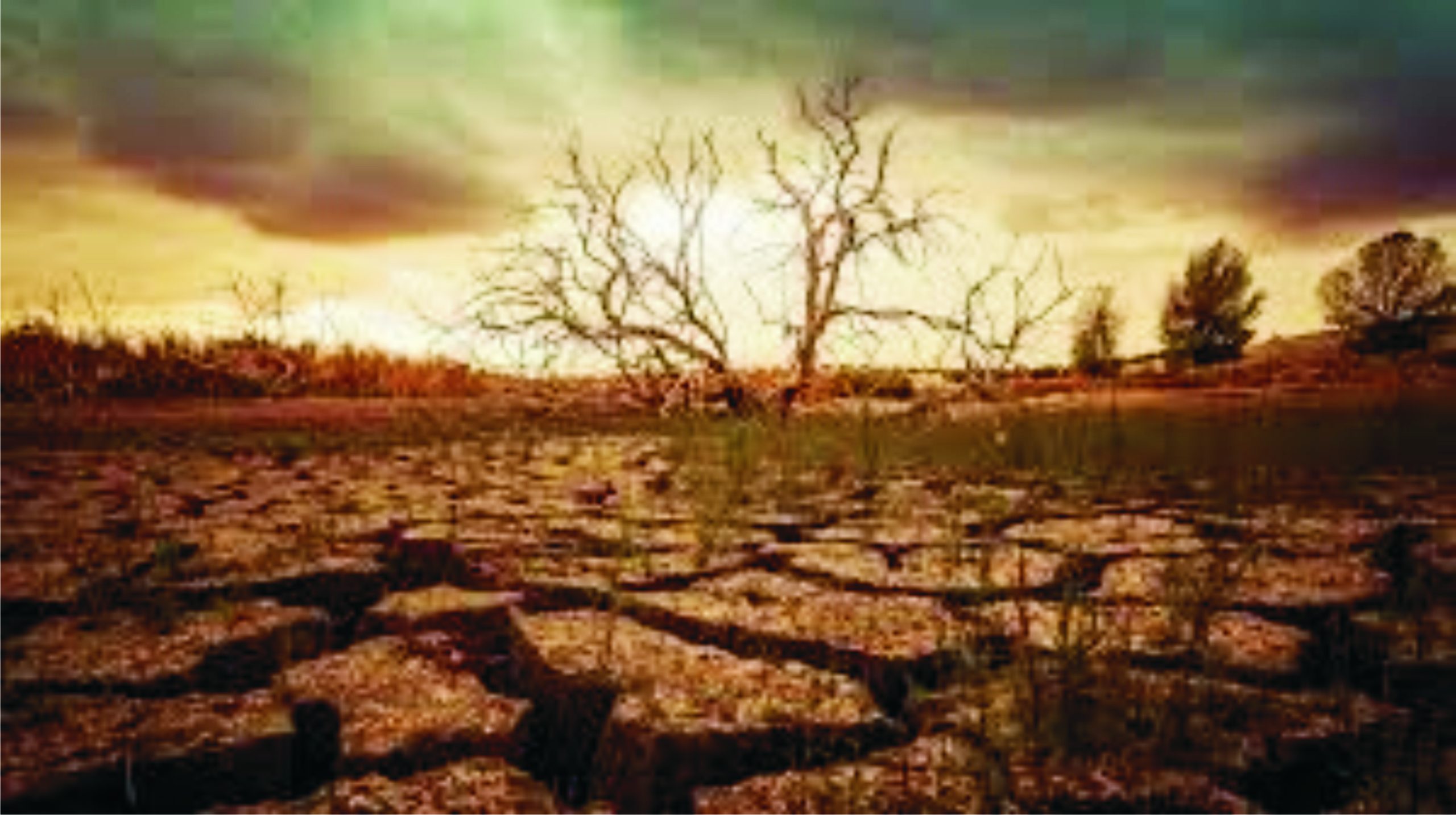
Soil is the cornerstone of agriculture, supporting plant growth, regulating water, and maintaining ecosystem balance. Yet, unsustainable farming practices, overuse of chemical inputs, deforestation, and climate change have degraded soils worldwide, leading to reduced fertility, lower crop yields, and environmental challenges. PalmGate Global Ventures recognizes the vital role of healthy soil in sustainable agriculture and champions soil restoration, regenerative practices, and organic input initiatives to improve crop productivity, farmer livelihoods, and environmental resilience.
Understanding Soil Degradation
Soil degradation is a pressing issue in Nigeria and across Africa. Continuous monocropping, improper fertilizer application, overgrazing, and deforestation contribute to:
Loss of organic matter – reducing soil structure, water retention, and nutrient availability.
Erosion – washing away topsoil critical for plant growth.
Nutrient depletion – decreasing crop yield and quality.
Soil compaction – limiting root growth and water infiltration.
Increased vulnerability to pests and diseases – reducing resilience of crops.
Without intervention, degraded soils threaten food security, rural livelihoods, and environmental sustainability.
PalmGate’s Approach to Soil Restoration
PalmGate Global Ventures employs a holistic soil restoration strategy, integrating modern scientific methods, organic solutions, and community-driven approaches:
Composting and Organic Fertilizers
Transforming organic waste into nutrient-rich compost to replenish soil.
Encouraging farmers to reduce reliance on chemical fertilizers that degrade soil health over time.
Enhancing soil microbial activity, improving fertility and crop resilience.
Biofertilizers and Natural Amendments
Application of biofertilizers containing beneficial microbes that improve nutrient uptake and plant growth.
Use of organic soil conditioners like vermicompost, green manure, and crop residues.
Promotes sustainable nutrient cycles while reducing environmental pollution.
Regenerative Agriculture Practices
Crop rotation and intercropping to prevent nutrient depletion.
Cover cropping to reduce erosion and enhance soil organic matter.
Minimum tillage methods to preserve soil structure and reduce carbon emissions.
Awareness and Farmer Training
Hands-on training programs to teach smallholder farmers sustainable soil management techniques.
Field demonstrations on composting, mulching, and nutrient management.
Integration of climate-smart practices to improve resilience against droughts and floods.
Benefits of Soil Restoration
Improved Soil Fertility and Crop Yield
Restoring soil health increases nutrient availability, water retention, and biological activity, leading to higher quality and quantity of harvests.
Environmental Sustainability
Healthy soils reduce erosion, carbon emissions, and chemical runoff into water systems, promoting long-term ecological balance.
Economic Empowerment of Farmers
Fertile soils reduce input costs and improve crop profitability. Farmers gain consistent yields, access to better markets, and sustainable livelihoods.
Resilience to Climate Change
Soils rich in organic matter act as carbon sinks, retain water during dry periods, and support crops under extreme weather conditions.
PalmGate’s Impact on Communities
Through its soil restoration initiatives, PalmGate has helped farmers in Northern Nigeria:
Rejuvenate degraded farmlands with organic composting and regenerative techniques.
Increase crop yield and quality, especially for staple grains and vegetables.
Reduce dependency on chemical fertilizers, lowering costs and environmental impact.
Adopt climate-smart agriculture, enhancing resilience to drought and flooding.
Foster long-term sustainability in community farming systems.
PalmGate’s commitment to soil health aligns with global objectives like the United Nations Sustainable Development Goals (SDGs), particularly SDG 2 – Zero Hunger, SDG 12 – Responsible Consumption and Production, and SDG 13 – Climate Action.
Conclusion
Soil restoration is not just an agricultural intervention; it is a foundation for sustainable development. PalmGate Global Ventures continues to empower farmers, youth, and agripreneurs to adopt practices that restore soil fertility, increase productivity, and preserve the environment for future generations. By integrating organic inputs, regenerative farming, and climate-smart techniques, PalmGate ensures that communities enjoy resilient, productive, and environmentally sound agricultural systems.